Returning to the Artist Self
For the last twenty years my life had been full, busy and very clearly defined by my roles as mother and Head of Art at a secondary school in Somerset. Like many women, I spent those years happily caring for others and rarely paused to consider what that might mean for my own ambitions and desires.
Creativity was always present, I was an art teacher after all, and the school holidays often gave me time to indulge in my own making. But despite this, my artist identity really felt like it was in the shadows. I didn’t feel that I could justify calling myself an artist. Instead, I saw myself as a teacher who occasionally made art.
I knew that I wanted my artist self to be more visible, but I wasn’t really sure what that meant or how it might happen.
When Life Became Quieter
Without choosing it, my life became much quieter.
Long Covid forced me to step away from my role as Head of Art, the professional identity I had known for the last 10 years. Around the same time, both of my children left home for university. I remember very clearly the day we took my son to London. I was so excited for him and his new start, that I didn’t stop to think about what this change meant for me.
It wasn’t until I returned home and walked into his empty room that the enormity of it dawned on me. Eighteen years of looking after someone every day had ended in a single afternoon. Soon after, my daughter left too, and life felt unfamiliar in its quietness.
At first, this felt like loss and a questioning of my purpose. Gradually though, I began to notice that something else had appeared alongside that feeling.
Space.
The Kitchen Table
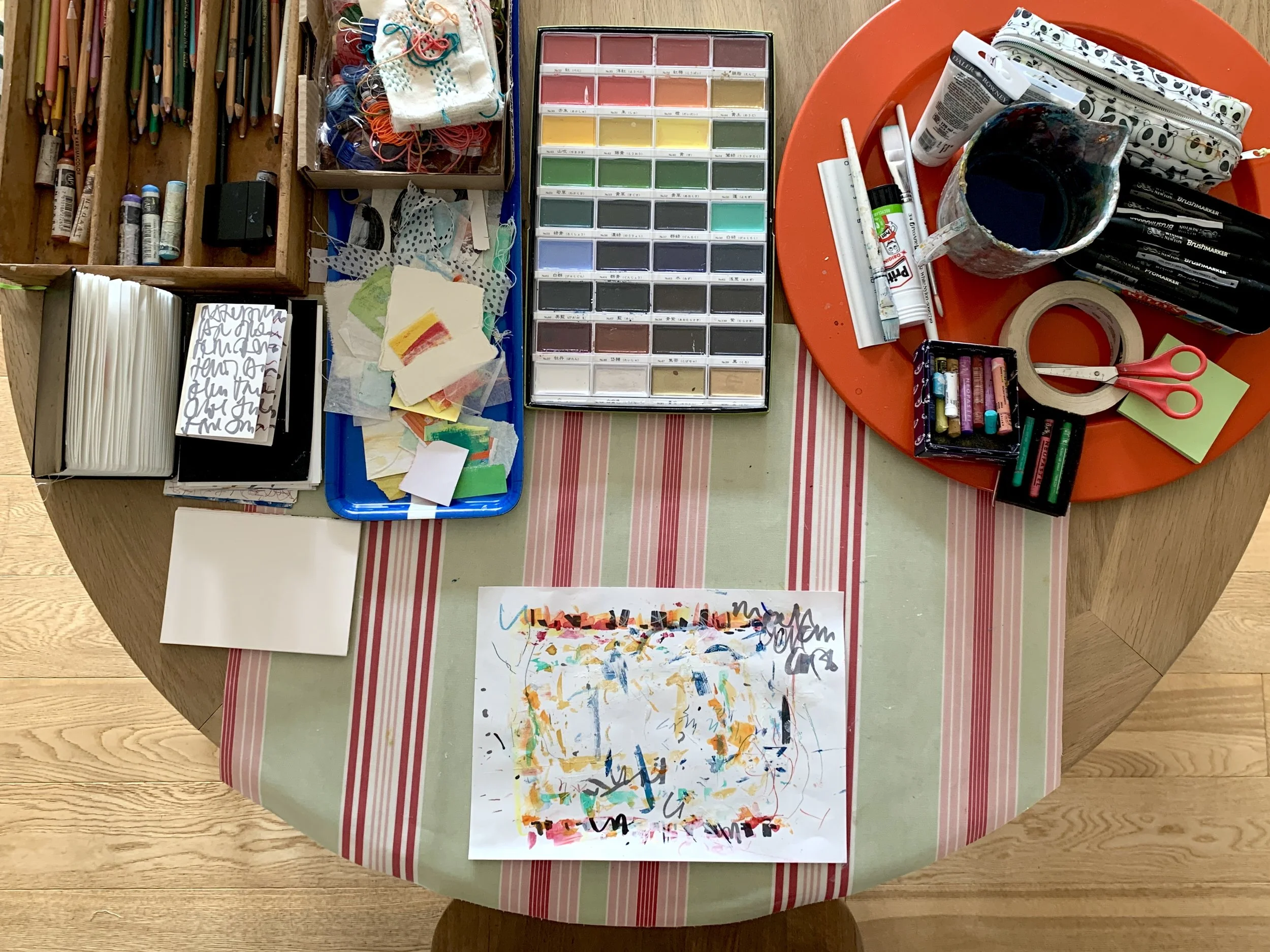
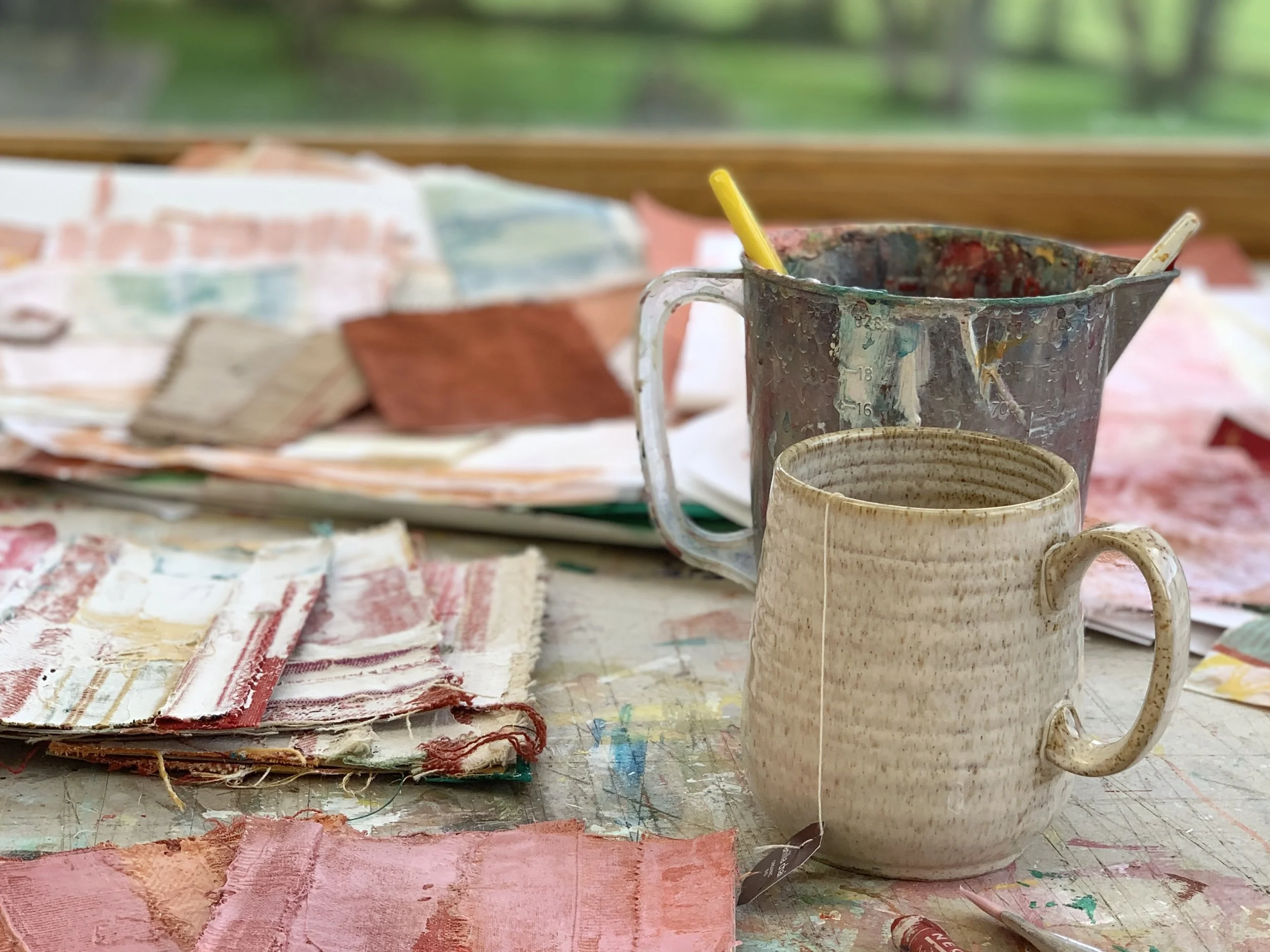
During this period, the Long Covid team encouraged me to spend time doing things I enjoyed as a way of calming my nervous system. I didn’t have the energy to go out to my studio, so I laid out a few basic materials on the kitchen table. A small tray with pieces of A6 paper, a few pens and some watercolours
I wasn’t trying to make art. I was simply trying to feel a little better.
For a few minutes each day I would make small marks or arrange pieces of paper, and slowly, as my energy began to return, those few minutes became longer periods of quiet making.
Without really noticing it at the time, this gentle return to materials began to take on a deeper significance.
Making for a Different Reason
This way of working felt very different from how I had made art before.
I wasn’t thinking about outcomes, exhibitions or whether anything I made was ‘good enough’. The making was linked instead to recovery, to self-care and to a feeling of calm. It was something I did entirely for myself, without any expectation beyond the process itself.
Through this, I started to realise that the value of making did not always lie in what was produced, but in what the process was doing for me.
Reflecting on What Was Happening
At the same time, I was studying for my MA and, with the support of my tutor and a number of extensions through the worst periods of illness, I began to reflect more deeply on what was happening in my life. Both my professional identity and my role as mother had changed leading me to ask the question “Who am I now?”
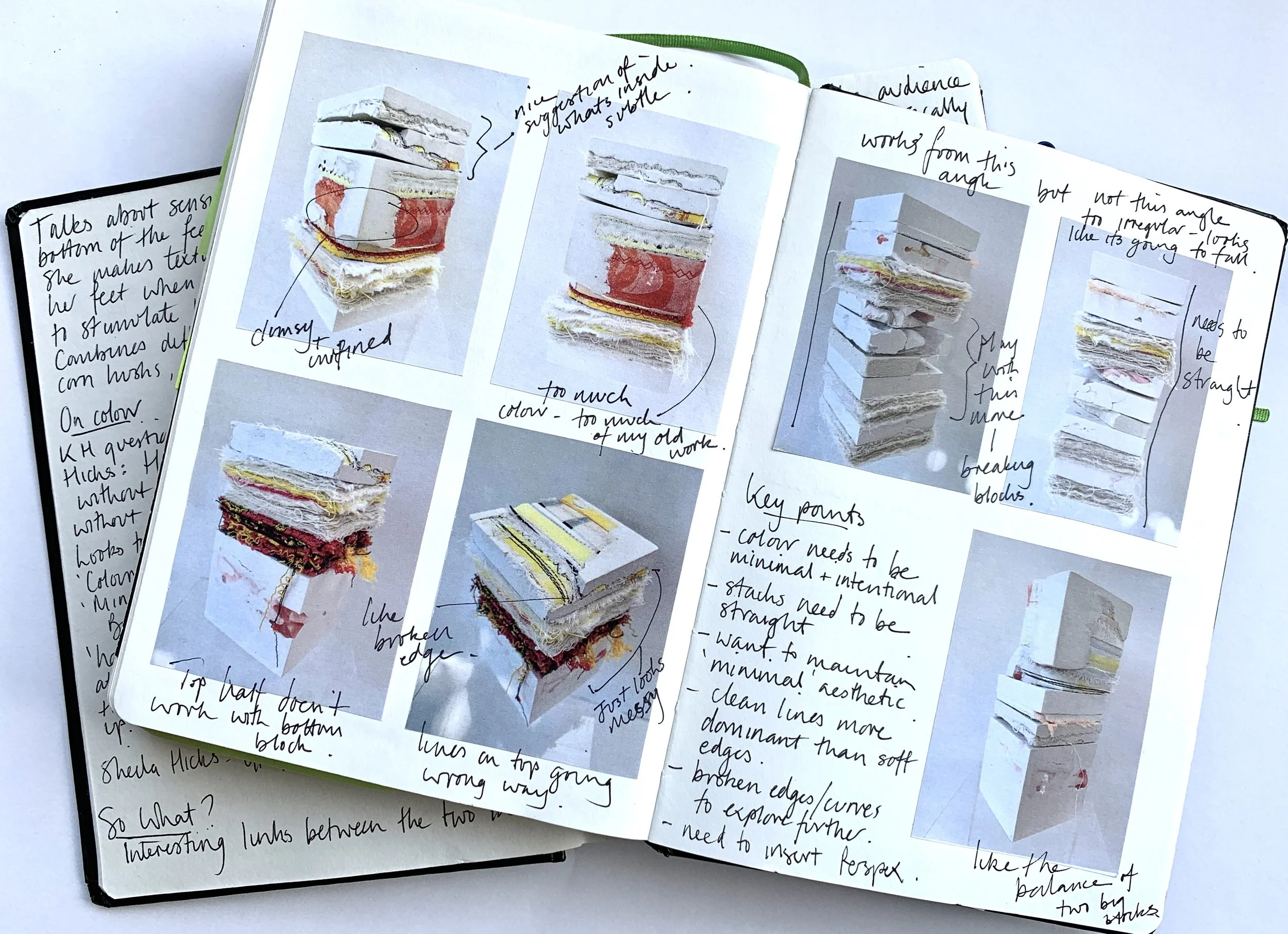
Over six months I made art and wrote in reflective journals, exploring how the process of making and exhibiting art might help me to understand this period of change. What I hadn’t expected was the extent to which the act of making became a way of understanding my lived experience.
It helped me to make sense of the changes I was navigating and to consider what I wanted for my future self. I realised that I hadn’t really taken time to reflect on my own making since leaving university, and that this reflective process was, in itself, transformative.
Letting Go of an Old Belief
For many years I had carried a belief that to call myself an artist required some form of external validation. A viable career path, recognition from the art world, a level of commitment that didn’t seem compatible with teaching and motherhood.
This quieter, more personal way of making began to challenge that belief.
I started to understand that making art for myself was enough. That there isn’t one reason for making that is more valid than another, and that the parameters I had imagined around being an artist were largely of my own making.
Slowly, I began to quieten the inner voice that told me I wasn’t allowed to use that word.
Permission
Through reading and researching what it means to be a woman in midlife, a mother and a female artist, I became aware that what I was experiencing was not simply disruption, but actually positive transformation. .
The unsettling feelings that I felt during this period gradually gave way to a sense of optimism and empowerment. I began to see midlife not as a point of decline, as it is so often portrayed, but as a moment to pause and re-consider who I wanted to be beyond the roles I had held for so long.
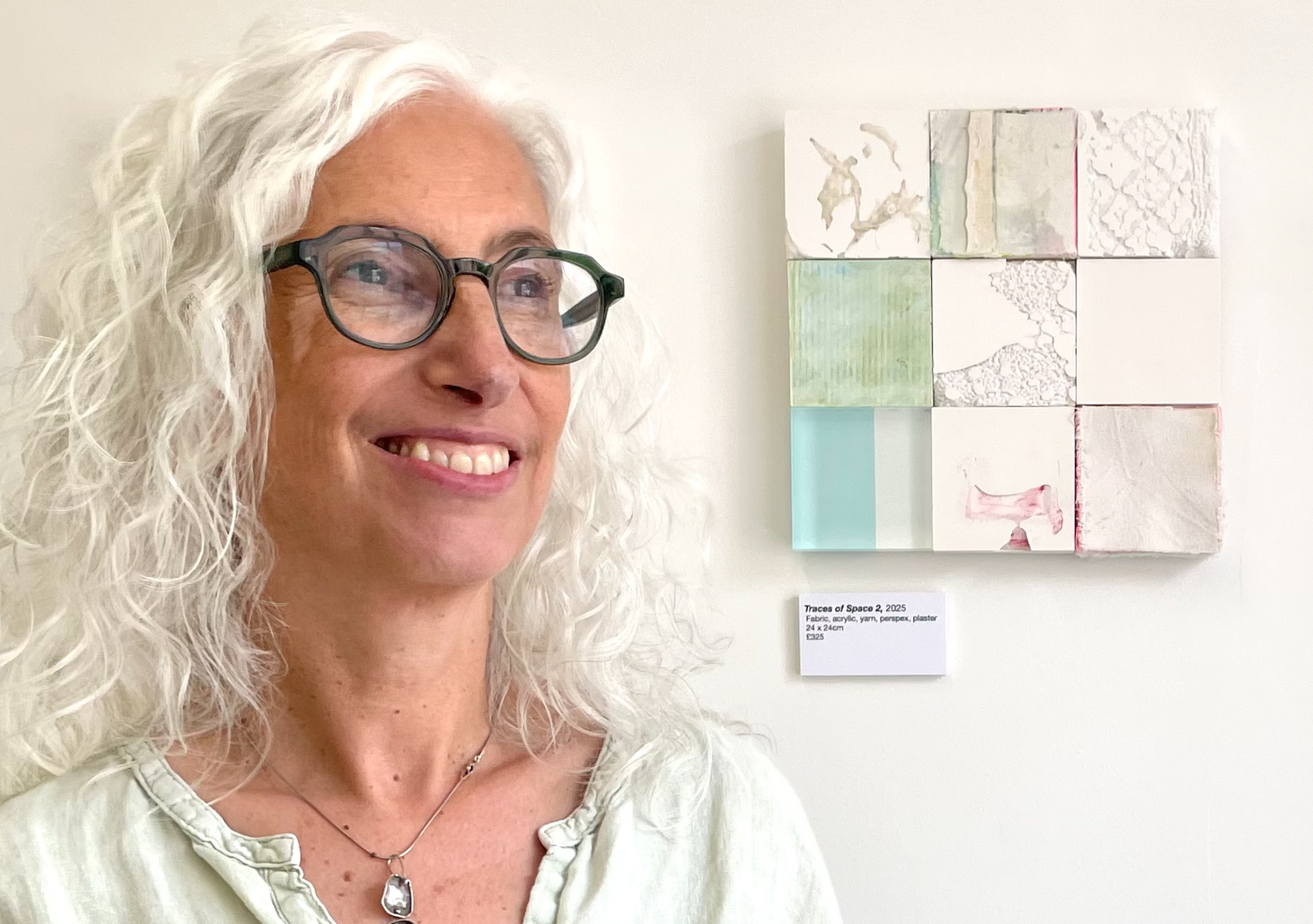
I realised that it is not society, or the art world, that decides whether I am an artist.
It’s me, I give myself permission. I am an artist.
Why This Feels Important to Share
Through the workshops I now run, I meet many women at a similar point in life. Some are returning to creativity for the first time since school, others once studied art but their careers and family life led them in different directions, while some are simply feeling they are ready for a new creative chapter.
I wholeheartedly believe that midlife can be a time when creativity is woken up again and given a new lease of life.
What I have seen, both in myself and in the women I work with, is that making art has a powerful way of helping you reconnect to who you are underneath the roles you have inhabited for so long. Playing with materials, moving your hands, allowing yourself time to make without purpose or pressure, brings you back into a relationship with yourself.
Making art becomes a way of listening inwards again.
Perhaps midlife offers the perfect moment to finally give yourself permission to be the artist you have always quietly wanted to be.
If you too are moving through midlife and feel ready to wake up your creativity, I’d love to hear from you. You can send me a message here: