On Rest, Space and Creative Renewal
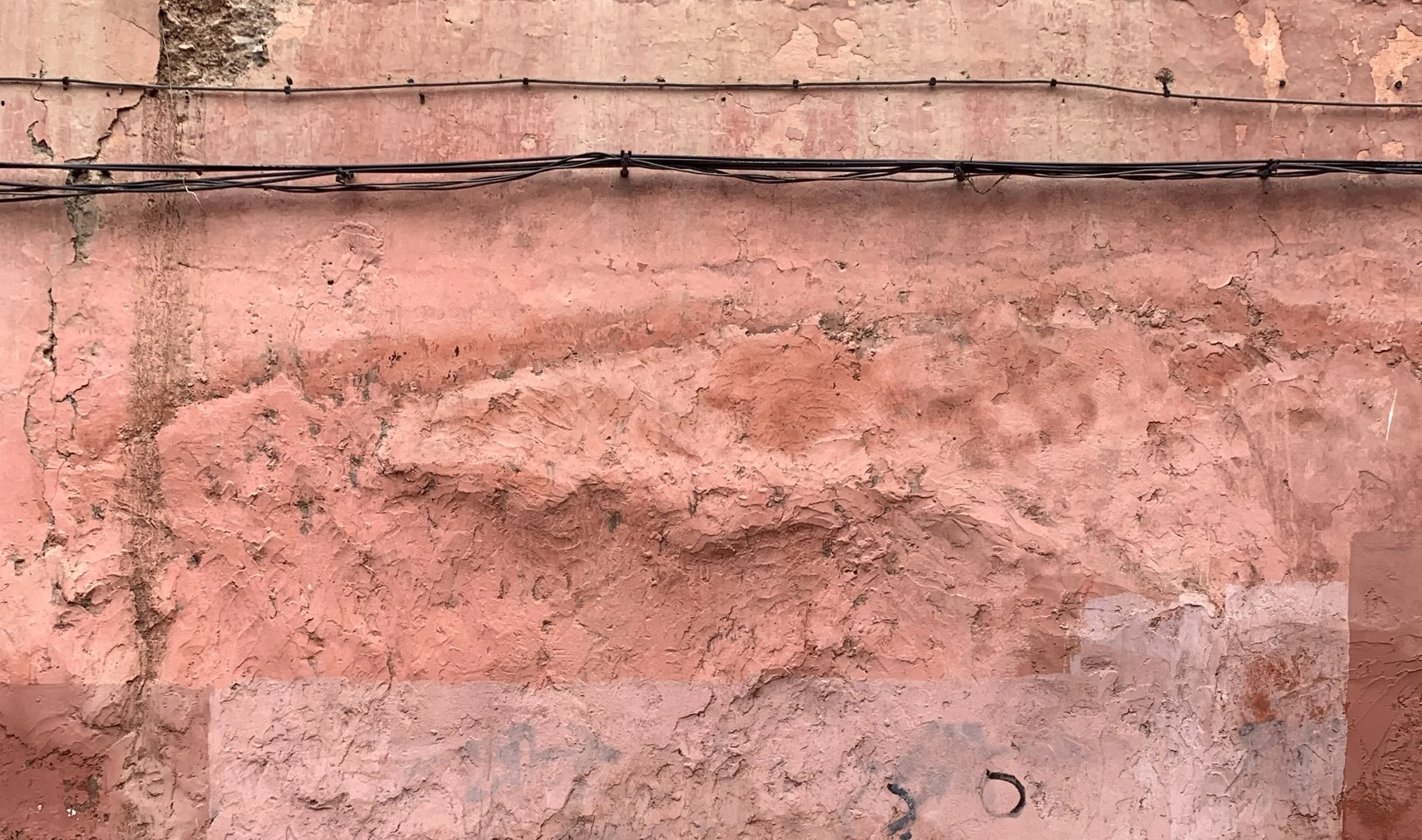
Noticing colour, surface and time.
Rethinking Rest
I used to think that rest meant lying on the sofa, not doing very much, something reserved for days when I was unwell or completely exhausted. As a mother and teacher caring and giving out to others, life felt too busy for rest.
It was only later that I began to understand how narrow that definition of rest was, and how much it was shaping both my wellbeing and my creative life.
That understanding came, in part, through my Long Covid recovery. It forced me to slow down and pay closer attention to what my body and mind actually needed. I realised I had been living almost permanently in output mode, forgetting the need to replenish myself.
What I’ve learned since is that there are many different types of rest and most of them don’t involve lying on the sofa.
Rest Beyond Sleep
In her book Sacred Rest, Dr Saundra Dalton-Smith identifies seven types of rest that support overall restoration, going far beyond sleep alone:
Physical
Mental
Emotional
Sensory
Creative
Social
Spiritual
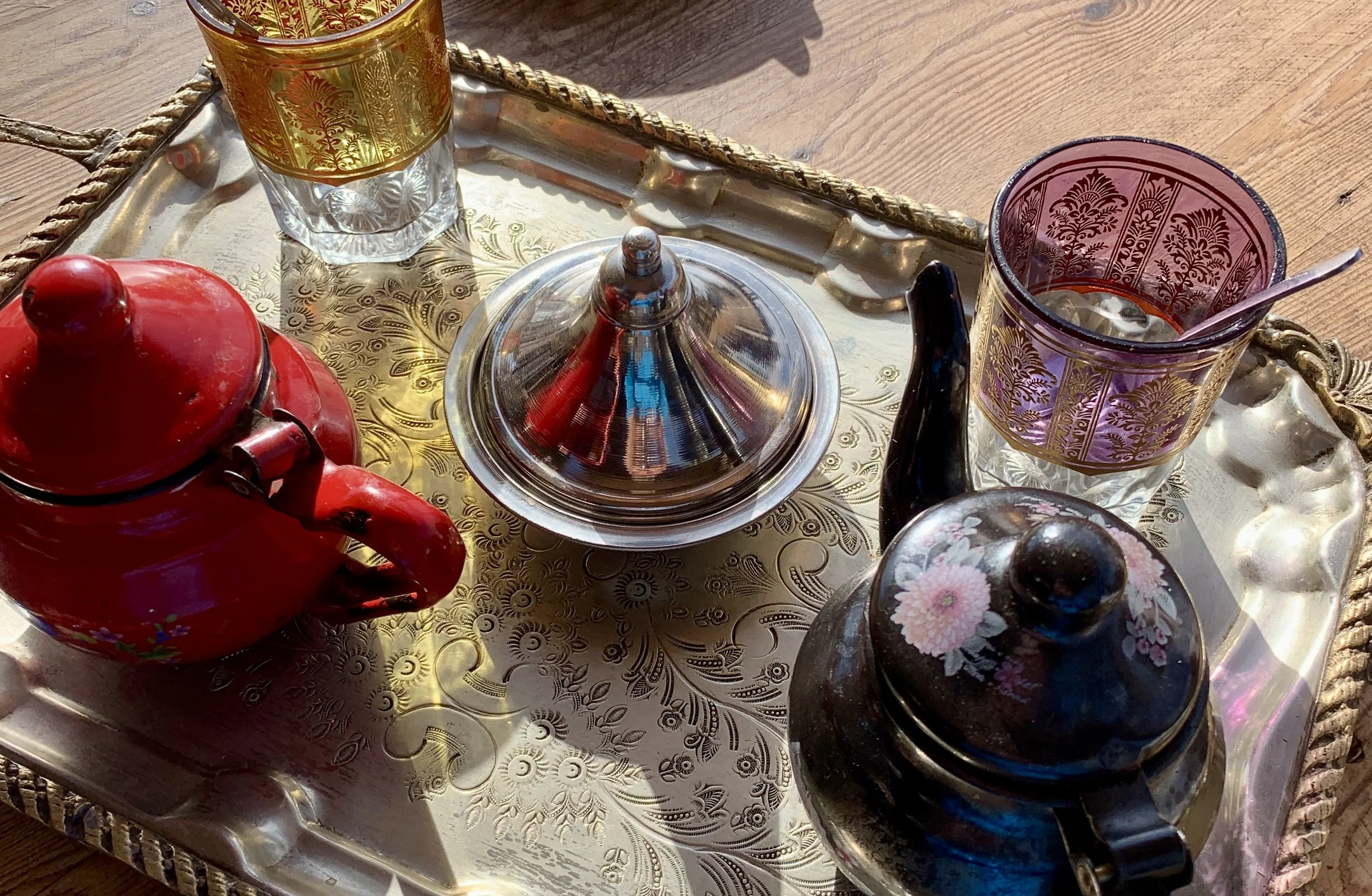
Small rituals as moments of pause
Reflecting on my own journey, I can see how limited my understanding of rest was, only connecting it with recharging physically. Caught up in a culture that values productivity, I didn’t recognise its broader value and particularly the importance of mental and creative rest. I needed to change not only my habits, but also my expectations of what my body and mind require in order to function well.
This realisation has coincided with a wider reassessment that often comes in midlife: a questioning of pace, priorities, and where we choose to place our energy.
From Output to Input
For many of us, life becomes a constant cycle of doing, supporting, responding and producing. Creativity, too, can slip into this pattern, becoming another thing we feel we should be doing well.
But creativity isn’t linear, it works in cycles. As an artist we don't need to be making all the time.
And input has to come before output.
Planning moments of deliberate exploration, however small, creates space for inspiration and allows the creative well to refill. Pausing, slowing down and taking time to reflect are all a necessary part of growth and renewal.
Perhaps what’s missing isn’t another strategy, but permission to rest without justification, to step away without guilt, and to value input as much as output, both in life and in creative work.
Different Ways of Resting
Sometimes rest does mean slowing down, taking a breath, listening to music, meditating or even sleeping.
But at other times, rest is more active. It’s about changing direction, experiencing something new, or stepping away from our default mode of being.
Creative rest, in particular, is about shifting focus away from productivity and towards noticing, exploring and taking things in.
Filling the Well
Julia Cameron writes about this beautifully in The Artist’s Way, where she introduces the idea of “filling the well”. Her suggestion of weekly Artist Dates, intentional time alone, away from routine and demands, recognises that creativity needs nourishment.
Similarly, in DoPause: You Are Not a To Do List, Robert Poynton talks about the invaluable role pauses play in the creative process. Making space, however small, creates a gap where new things can happen.
“A pause is an opening. It acts as a portal to other options and choices, giving more dimension to your experience.”
Robert Poynton
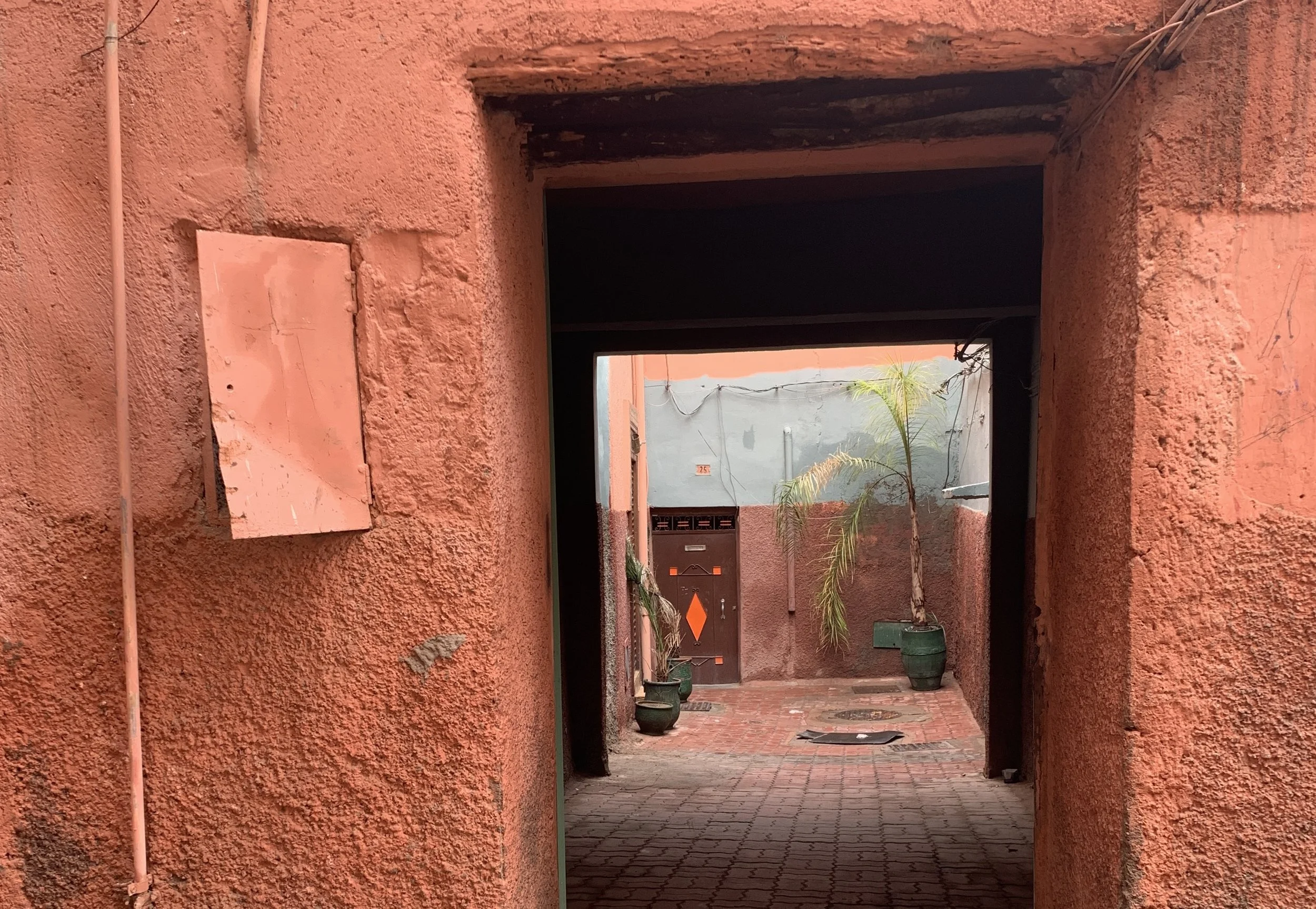
Towards space
Marrakech: A Different Kind of Rest
I’ve just returned from a four-day trip to Marrakech. Before I left, a few friends warned me how full-on the city could be, perhaps not the obvious choice if you’re looking to recharge.
And they weren’t wrong. The city is noisy, colourful, crowded. The air carries spice and dust, scooters weave past, and there is constant chatter from the souk sellers. I felt a million miles from my quiet, rural home.
But it was precisely this shift in environment that I was seeking.
Travel is a form of both mental and creative rest for me. It takes me out of routine and immerses me in new experiences. My senses are awakened: unfamiliar smells, different sounds, new rhythms. As Robert Poynton explains in DoPause, a change of place can quickly create a mental shift. This is something my mum always captured more simply when she said, “a change is as good as a rest”.
What also struck me was how even the busiest cities hold pockets of quiet, if you’re willing to look for them. Stepping away from the souks, I found myself drawn into small back streets. I became absorbed in the pink hues, worn surfaces and strong sense of history.
For me, this kind of rest is an opportunity to notice, be curious and reflect, rather than to do, create or produce. It’s in this space that I find new inspiration.
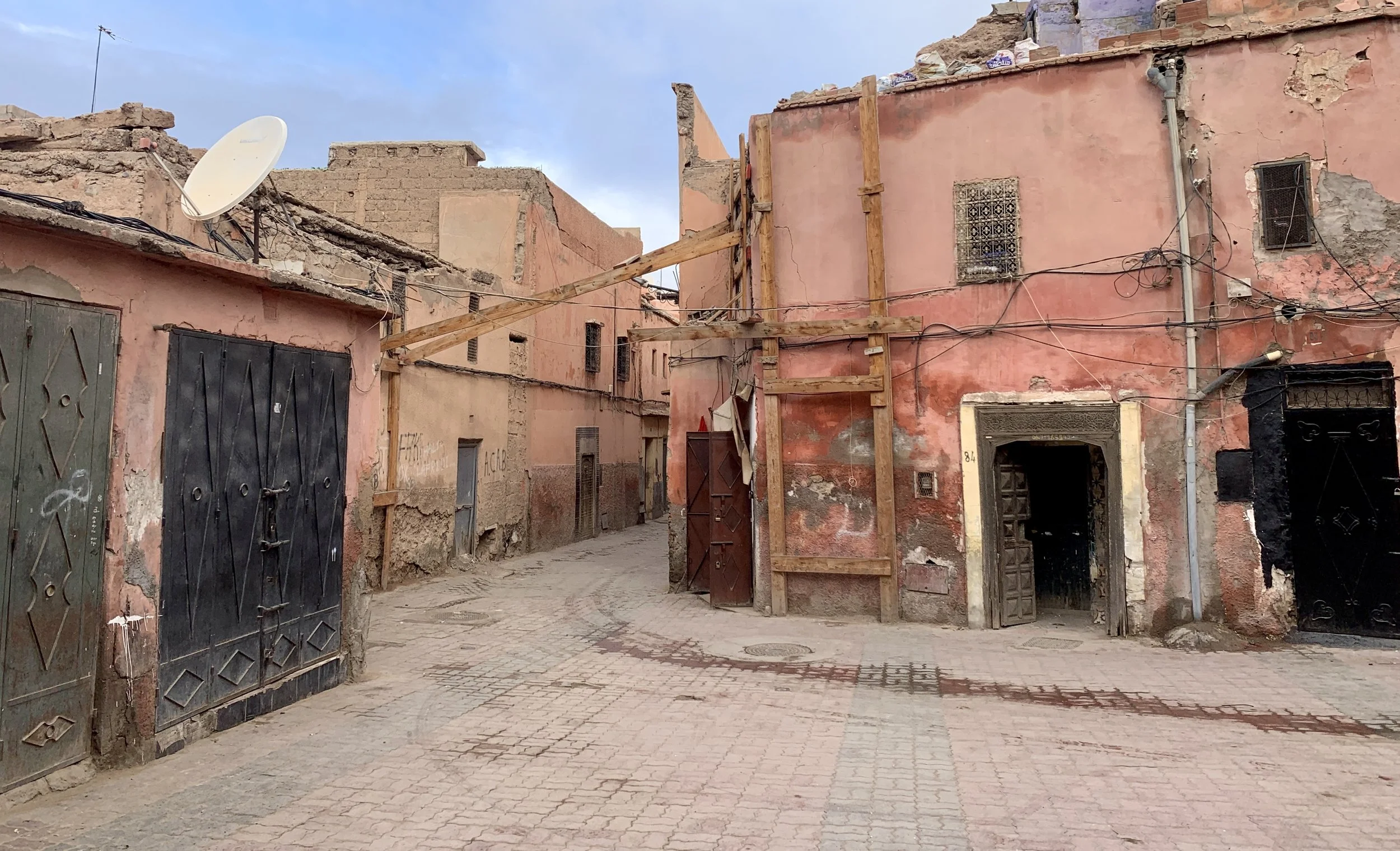
Beyond the Souks
You Don’t Need to Travel
Of course, you don’t need to travel to find creative rest. It can take many forms: visiting a gallery, journalling, connecting with others, going for a walk and being in nature.
Through my Long Covid recovery, I’ve learned to build micro-rests into my day. Sometimes it’s as simple as stopping what I’m doing and closing my eyes, taking a few deep breaths, or looking out of the window for a few minutes.
While this might sound inconsequential, I’ve come to value the act of consciously and momentarily stepping away from “doing” and allowing the body to simply be.
An Invitation to Pause
At a time of year when tiredness is often felt more acutely, this feels like a gentle reminder to embrace the pause and to explore different ways of resting that support both our wellbeing and our creative spirit.
Often, it begins with permission:
to slow down,
to receive,
and to trust that rest feeds creativity rather than interrupts it.
If you’d like to see more of how this trip continues to feed my creative practice you can find me over on Instagram (link below), where I’ll be sharing reflections and work as it unfolds
References
Cameron, J. (2021). The Artists Way: A Spiritual Path to Higher Creativity. Uk: Profile Books Ltd.
Dalton-Smith, S. (2019). Sacred rest : recover your life, renew your energy, restore your sanity. New York: Faith Words.
Poynton, R. (2019). Do pause : you are not a to do list. London: The Do Book Company.
More Good Books About Rest
Pang, A.S.-K. (2016). Rest : why you get more done when you work less. New York: Basic Books.
Hammond, C. (2020). The art of rest : how to find respite in the modern age. Edinburgh: Canongate.